The Trip
I was in central Otago recently for Easter. Matt, a good friend of mine joined me as we took in the sights of Queenstown, Wanaka, Tekapo and Mt. Cook.
While Queenstown is a popular tourist destination, it has also traditionally been the home of the annual Queenstown Research Week. This is New Zealand’s largest scientific gathering, bringing together 1000–1500 scientists each year. In 2026 however, it will take place in Christchurch, during August. For more information, check out their website and Facebook page.
After spending time in Queenstown, Matt and I then travelled to Wanaka. We took mountain bikes to explore cycle paths around the lake. It’s interesting to note that while Lake Wanaka sits at about 278 meters above sea level, its maximum depth is 311 meters, meaning that the deepest parts of the lake bed are below sea level.
When we were in Wanaka I would have loved to bump into world famous scientist Dr Max Shepherd. Now retired, he is a pioneering biotechnologist whose research has fundamentally shaped both medical science and the commercial biotechnology industry in New Zealand. He famously worked on the biology and molecular genetics of human pathogen Candida albicans at the University of Otago, when it was a major problem in AIDS patients during the 1980s. Candida is a type of yeast (fungus). It commonly lives in small amounts on the skin, in the mouth, and in the intestines without causing harm. But in AIDS patients, it can become deadly when it switches from the yeast form (round cells) to a dangerous hyphal form (long filaments). The switch is triggered from cues like temperature and pH changes in an immunocompromised person’s body.
Dr Max Shepherd identified the specific gene pathways involved that trigger the switch. Once it becomes dangerous, Candida then "digests" its way into the body by secreting SAP (Secreted Aspartyl Proteases). These are enzymes which break down structural proteins in the mouth and gut lining, giving Candida the means to enter the bloodstream where it can then kill the host. Today, modern concerns often focus on Candida auris, a multidrug-resistant yeast.
AIDS carried intense stigma in the 1980s so I personally admire Dr Max Shepherd for working in this area and helping shed light on the issue.
After visiting Wanaka, we drove to Tekapo. The lake there is stunning because of its bright blue/turquoise colour. The colour is caused by fine particles of rock—known as "glacial flour"—suspended in the water, which are created by glaciers grinding against rock beds.
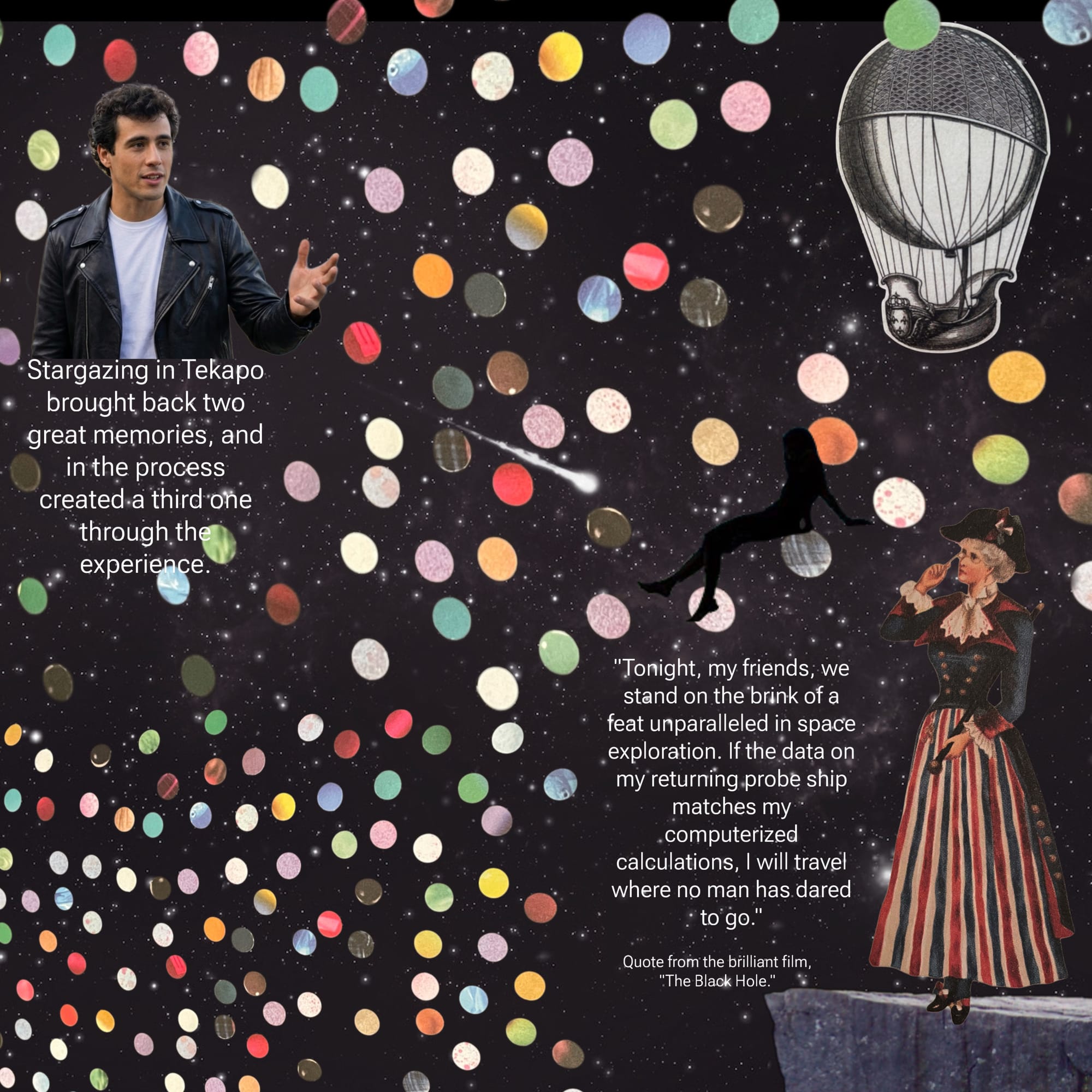
Tekapo is also A World-Class Dark Sky Reserve: As part of the Aoraki Mackenzie International Dark Sky Reserve, the area has minimal light pollution due to council laws, making it one of the best places in the world for stargazing. It is the largest dark-sky reserve in the southern hemisphere. When you’re in Tekapo at nighttime you’ll see that all streetlights are downwards facing and have a warm colour temperature in order to protect views of the night sky.
The last stop before heading back to Queenstown was a day at Mt Cook. For more highlights, check out the video below.
See you in the next post!